Ten digits make up a standard US phone number after the country code, and the first three digits form the area code. USA area codes help route calls through the North American Numbering Plan, yet they do not reliably reveal where a caller lives today. A number can stay unchanged after a move, belong to a virtual service, or display through caller-ID spoofing.
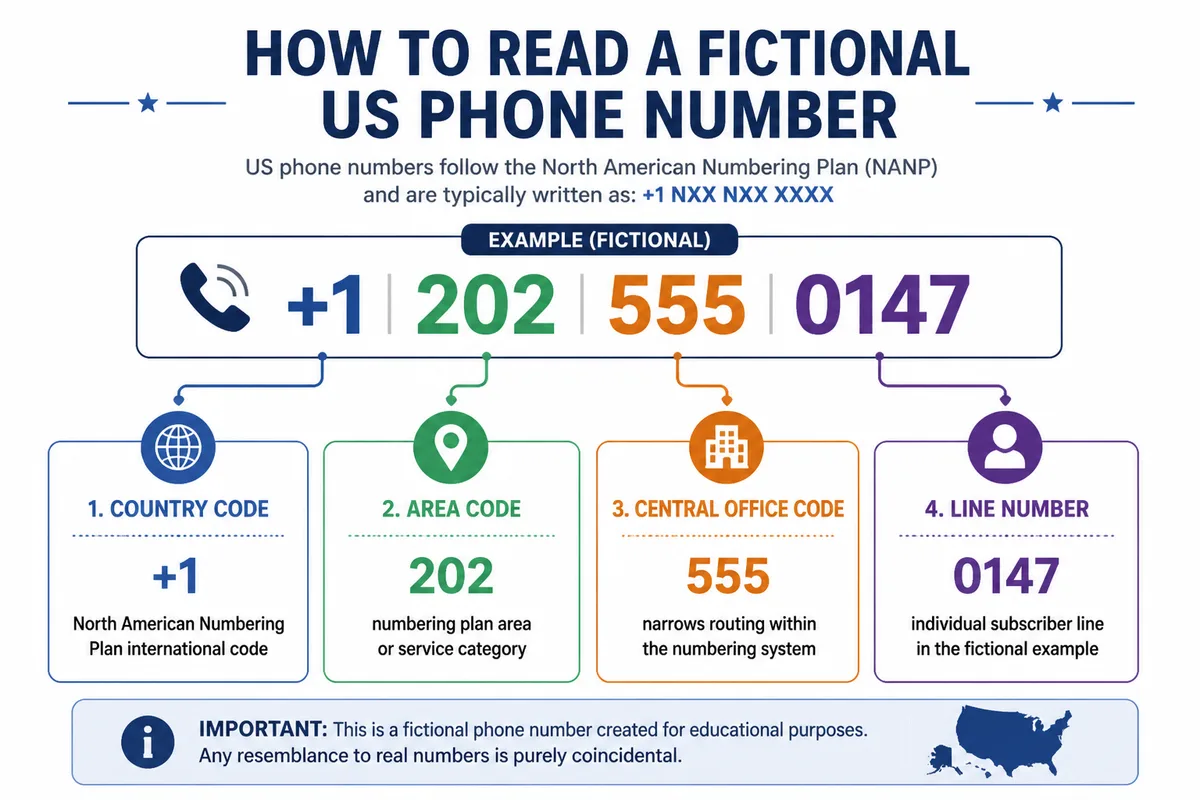
A typical example is +1 202 555 0147: +1 is the country code, 202 is the area code, 555 is the central office code, and 0147 is the line number. The practical rule is straightforward: read the complete number, confirm the dialing instructions for your location, and check the final call or roaming tariff before calling an unfamiliar destination.
Quick facts
📞 Ten digits follow the +1 country code: three for the area code and seven for the local number.
🗺️ One region can have several codes because of overlays, while an area-code split creates new geographic boundaries.
⚠️ An area code is not proof of location or trust. Number portability, virtual numbers, and spoofing weaken that assumption.
🌎 Calling from abroad requires an international access method, +1, and the full 10-digit number.
What Is an Area Code in the USA?
Thus, a USA area code is the first three digits of a standard 10-digit North American phone number, used with the following seven digits to route a call. An area code is a numbering-plan identifier assigned to a geographic region or a non-geographic service category. The country code +1 comes before it and is not itself a US area code.
In the fictional number +1 202 555 0147, 202 identifies the numbering area rather than a verified present location. The seven digits after the area code contain the central office code and the individual line number. The arrangement helps telephone networks select the intended destination. It does not identify a street address.
The US phone number format, digit by digit
And the format becomes easier to read when each block is separated visually. The following example is fictional and avoids treating a sample number as a real subscriber contact.
| Number part | Example | Purpose |
|---|---|---|
| Country code | +1 | Identifies the NANP when dialing internationally. |
| Area code | 202 | Identifies a numbering plan area or service category. |
| Central office code | 555 | Narrows routing within the numbering system. |
| Line number | 0147 | Identifies the individual subscriber line in the example. |
Therefore, the international format contains +1 followed by 10 digits. The US telephone number format is not the same thing as a city code. The first three digits belong to the numbering plan, while the next seven complete the subscriber number.
How the North American Numbering Plan connects USA area codes
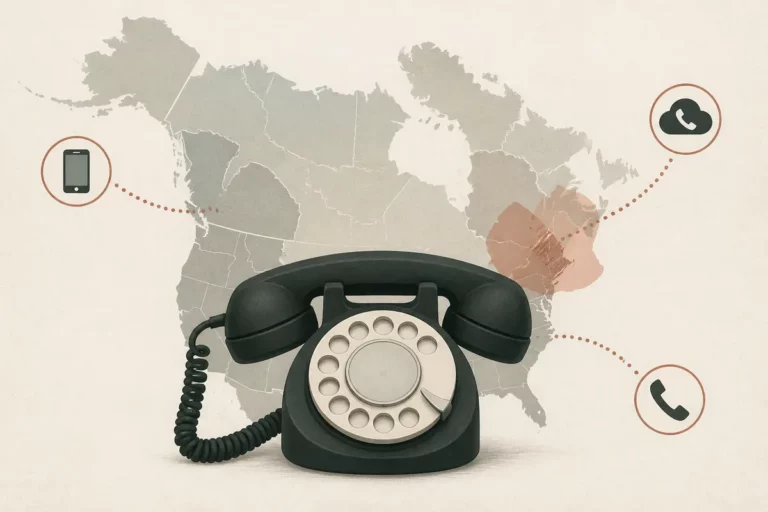
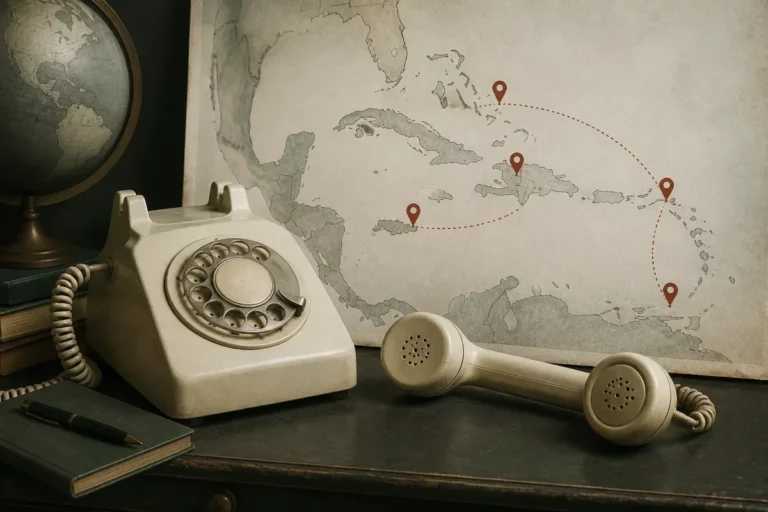
But +1 covers a shared numbering framework called the North American Numbering Plan, or NANP. The NANP serves the United States, Canada, and participating Caribbean countries and territories, so a number beginning with +1 does not automatically originate in the United States. Numbering resources and assignments follow formal administration and regulatory processes.
A country code identifies a country or shared international numbering zone. An area code identifies a numbering plan area or service category within that zone. An international dialing prefix is the access code used by the country where the caller starts the call.
For example, a saved contact written as +1 202 555 0147 uses the plus sign instead of a specific exit code. The plus sign is useful across countries. The caller’s network supplies the appropriate international access method.
Therefore, the phrase “USA dialing code” needs care. +1 is the country code for the NANP zone, while the three-digit area code is the more local numbering element. The distinction matters when a caller is checking a destination, a format, or a possible international charge.
Geographic codes, toll-free codes, and service codes
Or area codes fall into different practical categories. Geographic codes generally correspond to a numbering region, while toll-free codes serve a non-geographic service and do not identify a caller’s region. Short service and emergency numbers follow separate rules from ordinary 10-digit numbers.
| Code category | What it indicates | Location meaning |
|---|---|---|
| Geographic area code | A numbering region | May cover part of a state, a city, or several communities. |
| Toll-free code | A non-geographic calling service | Does not identify the caller’s region. |
| Short service number | Emergency or assistance access | Uses rules separate from ordinary 10-digit numbers. |
Current assignments and maps should be checked through the North American Numbering Plan Administrator or the relevant regulator. A directory can contain historical or special-status entries. A displayed code alone is not enough to establish that a mapping is current.
Why one place can have several USA area codes
However, one location can have several USA area codes because demand for mobile lines, business numbers, connected devices, and other services can exhaust available number blocks. A split divides a former numbering region into new geographic areas, while an overlay adds another code across the same territory. Existing customers may keep their numbers during either process.
One area code does not equal one city. That assumption fails as soon as an overlay serves the same homes, businesses, and neighborhoods as an older code.
Therefore, local boundaries and dialing requirements must be checked through current carrier or regulator guidance. Implementation dates matter. New assignments may receive a different code while older customers retain their original numbers.
Area-code splits: one territory becomes two
Yet an area-code split changes the geographic map itself. A former numbering region is divided into separate areas, and new numbers in one part of the territory receive a different code. Existing customers may retain their numbers under the transition plan.
Split boundaries are local. A code associated with one side of a former region may not cover every nearby community. The implementation notice determines the exact geography.
Area-code overlays: multiple codes, same map
In contrast, an area-code overlay adds a new code without removing the older code from the same territory. Two or more codes can serve the same neighborhood. An overlay does not mean that a caller belongs to a different community.
Overlays commonly lead to 10-digit dialing because the area code is needed even for nearby calls. Seven-digit dialing can stop working after a local numbering-plan change. Follow the carrier or regulator’s current instruction.
How to dial a US phone number from the US or abroad
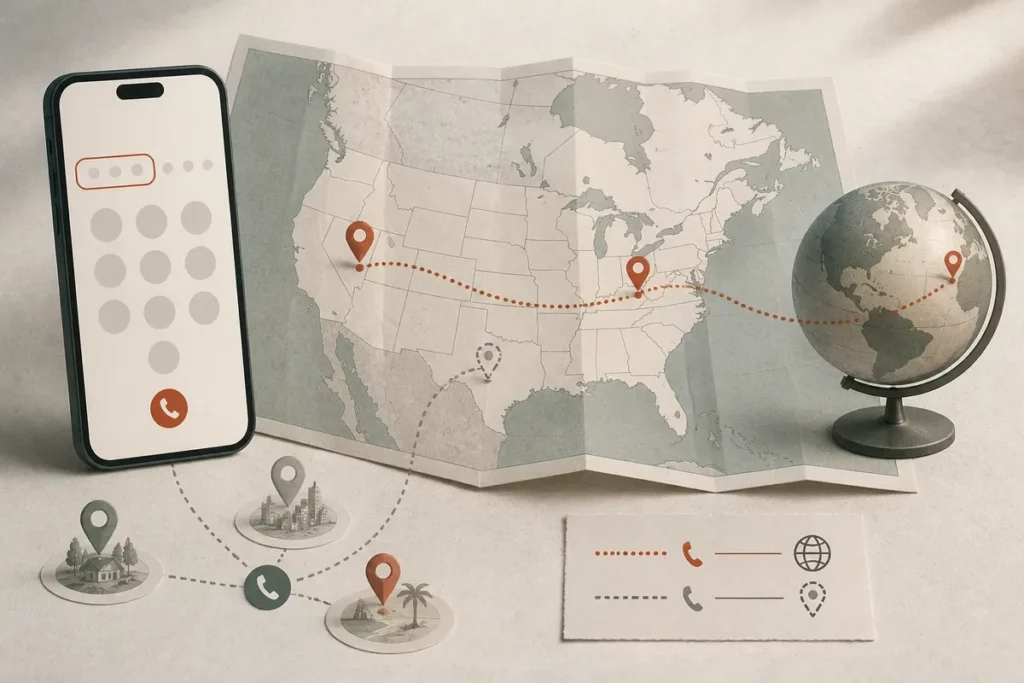
And the correct dialing format depends on where the call begins and on the local network rules. From within the United States, many calls use the full 10-digit number, while some services may still accept a leading 1 for particular long-distance formats. From abroad, use the international access method required where you are, then +1 and the complete 10-digit NANP number.
From abroad, dial the international access prefix or use +, then 1, the area code, and the seven-digit local number. Do not add an extra zero before the US area code. The fictional example is +1 202 555 0147.
| Calling situation | Format to try | Important check |
|---|---|---|
| Within the United States | Area code + seven-digit local number | Confirm whether 10-digit dialing is required locally. |
| From another country | International access method + 1 + 10-digit number | Use the calling country’s exit method or the plus sign on a mobile. |
| Calling a toll-free number internationally | Use the published international instructions | Access may be unavailable or charged differently outside the United States. |
| Using a mobile contact | +1 + area code + seven-digit number | Check the mobile plan, Wi-Fi calling settings, and roaming tariff. |
Therefore, a stored contact using +1 is usually more portable than one containing a country-specific exit code. The format does not determine the final price. The originating network, destination classification, calling plan, and roaming status do.
Calling the United States from abroad can create a charge even when the number itself is familiar. Check the provider’s international tariff before calling. Wi-Fi calling or an approved calling app may route the call differently, so verify who bills the connection.
For a wider explanation of exit codes and country codes, see this guide to calling abroad correctly. The dialing sequence is only half the decision; the final tariff matters too.
What a phone number area code can and cannot tell you
Still, a phone number area code can suggest the numbering region or service category originally associated with a number, not a person’s verified current location. Mobile number portability lets customers keep numbers after moving, and virtual phone services can assign familiar geographic codes for business or personal reasons.
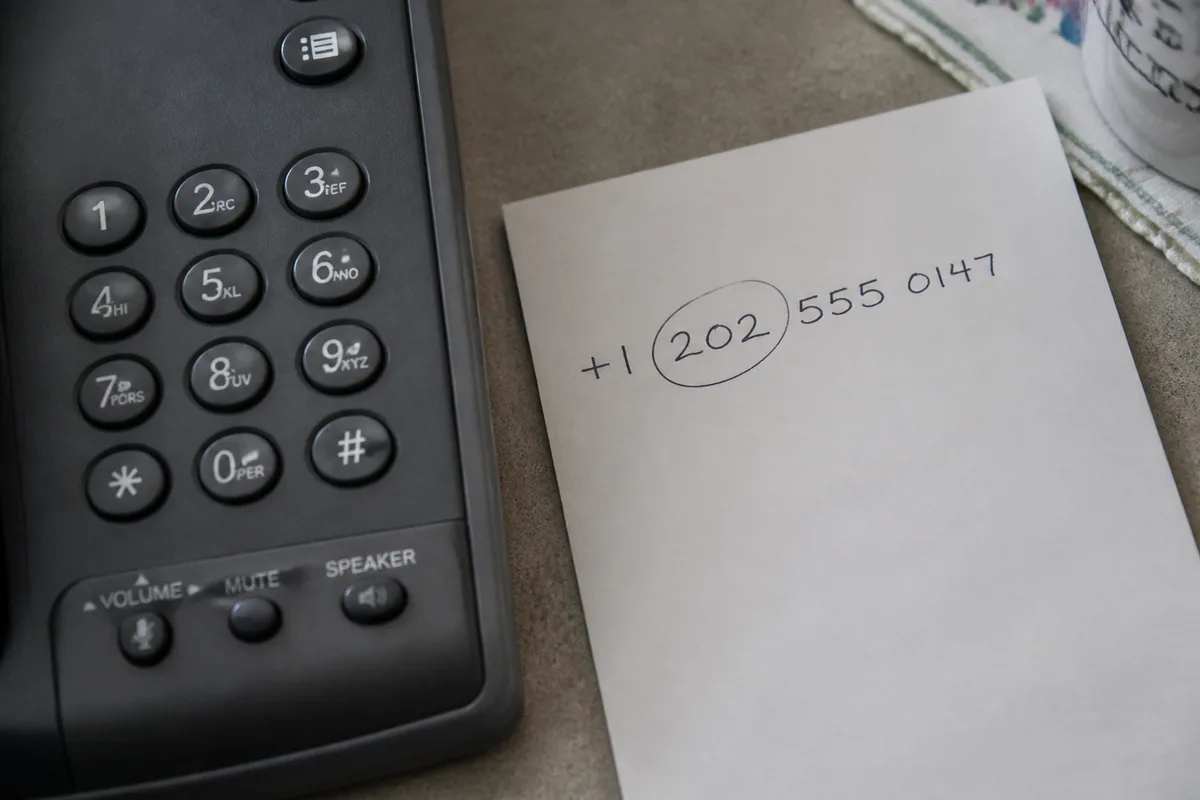
Caller ID spoofing can make an incoming call display a number that the caller is not actually using. A local-looking code is therefore weak evidence of legitimacy. A code from another region is equally weak evidence that the caller is abroad.
Therefore, assess an unknown caller independently. End the call when the request involves passwords, payment details, one-time codes, or urgent transfers. Find the organization’s official contact details separately rather than calling back through the displayed number.
Common misconceptions about USA area codes
One common claim is, “A local area code means the caller is local and safe.” The routing history, number portability, virtual service, and caller-ID path tell a different story. An area code does not identify an exact address.
Another mistake is treating +1 as proof that a number belongs to the United States. The NANP includes Canada and participating Caribbean countries and territories. The complete number and the service context are required for a better identification.
Reverse-lookup results can also be incomplete, outdated, or misleading. Treat them as clues, not identity proof. A US area code map helps with numbering geography, while a regulator or carrier notice is stronger for current dialing requirements.
Frequently Asked Questions
What is an area code in the USA?
Thus, an area code is the first three digits of a standard 10-digit NANP number. The code helps route calls through a geographic numbering area or a non-geographic service category. It does not identify an exact address.
How many digits are in a US phone number?
A standard US phone number contains 10 digits after the +1 country code. The first three digits form the area code, and the remaining seven digits form the local number.
Is +1 only for the United States?
No. +1 is the shared country code for the North American Numbering Plan. Canada and participating Caribbean countries and territories also use numbers beginning with +1.
Why does one city have multiple area codes?
An overlay can place several area codes over the same geographic territory. A split can divide one former area into separate regions. Check current local instructions because overlays may require 10-digit dialing.
Can an area code reveal where a caller is?
An area code can indicate the numbering region originally associated with a number. It cannot reliably reveal the caller’s current location, identity, or trustworthiness because portability, virtual numbers, and spoofing affect displayed numbers.
What to remember
- 📞 A standard US number has a three-digit area code plus a seven-digit local number.
- 🌎 +1 identifies the NANP and does not automatically mean the number is in the United States.
- 🗺️ Splits change geographic boundaries; overlays place several codes over the same territory.
- ⚠️ An area code cannot verify a caller’s current location, identity, or safety.
- ✅ Check the carrier’s dialing instructions and final tariff before calling if the format or destination is unfamiliar.
Read the complete number, identify the originating network, and check the destination tariff before calling if the format is unfamiliar; that is the safer reflex before dialing.