580 is a legitimate Oklahoma area code, yet an unexpected 580 call or text can still be fraudulent. The displayed number identifies a numbering region, not the person or organization contacting you. Let unknown calls go to voicemail, avoid suspicious links, and verify any claim through an official number.
A local-looking number can make a scam feel familiar. Caller ID spoofing allows an out-of-state or overseas caller to display a 580 number, while number portability lets people retain numbers after moving. The safe decision starts with the message, request, and verification route—not the area code alone.
| 📍 | 580 location: A geographic area code serving parts of Oklahoma. |
| ⚠️ | Spam status: The 580 code itself does not identify a scam. |
| ☎️ | Main risk: Caller ID spoofing can make a distant caller appear local. |
| 🔒 | Safe response: Do not share passwords, payment details, or verification codes. |
| 🔎 | Best check: Contact the claimed organization through an independently published number. |
| 📩 | Reporting: Forward suspicious texts to 7726 where your carrier supports it. |
Is the 580 Area Code Spam? The Short Answer
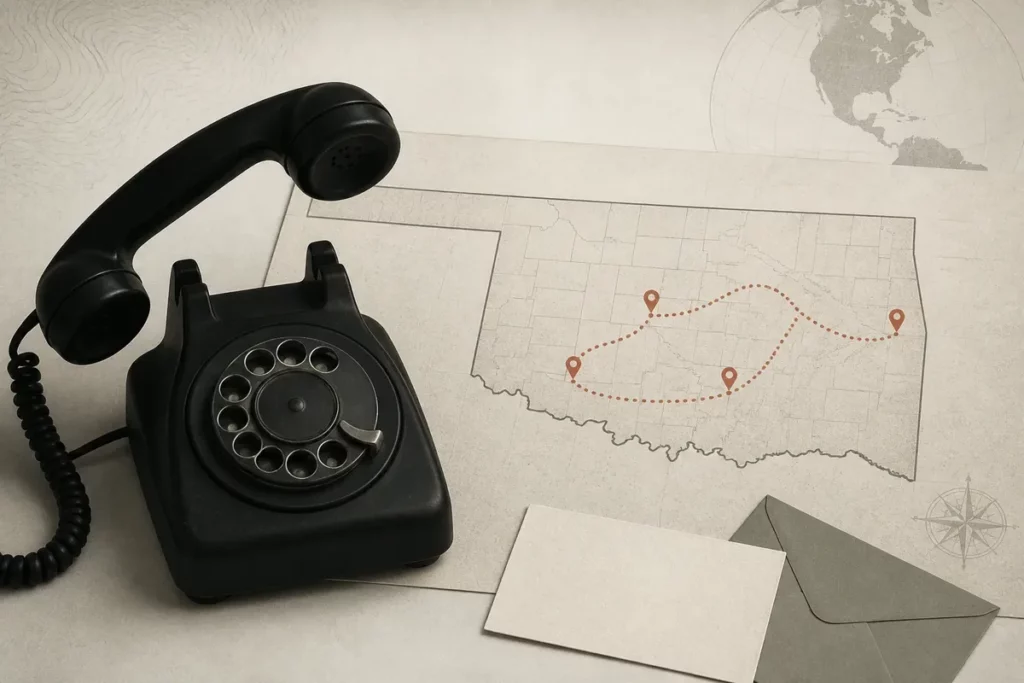
But the 580 area code is not a scam identifier. It serves parts of Oklahoma, and a displayed 580 number may belong to a resident, business, school, medical provider, or public agency. A scammer can also imitate that number through caller ID spoofing, so the correct response is cautious verification rather than automatic trust or automatic rejection.
A 580 number can be legitimate or spoofed. The area code gives geographic numbering context. It does not authenticate the caller.
Therefore, judge the contact by its behavior. Urgency, threats, secrecy, payment demands, unusual links, and requests for one-time codes deserve more attention than the first three digits.
Number portability adds another complication. Someone may keep a 580 number after leaving Oklahoma, while a person physically in Oklahoma may use another area code. Location alone settles neither identity nor intent.
Why a local number can be misleading
Yet local-presence scams use familiar-looking area codes to increase the chance that someone answers or replies. A call that appears to come from nearby may actually pass through a different carrier, state, or country before reaching your phone.
“A local number must be safe” sounds plausible. The displayed digits do not support that conclusion.
The stronger clue is the requested action. A legitimate organization can explain why it contacted you and can be reached through a channel you find independently.
For geographic background, including cities and time-zone context, see this guide to 580 area code location.
Why Suspicious Calls and Texts May Show a 580 Number
However, a suspicious call may show 580 because caller ID spoofing changes the number presented to your phone. Scam campaigns use familiar identities, including delivery companies, banks, government offices, utilities, employers, and relatives in distress, to make a quick response feel necessary.
Therefore, a matching area code says little about the call’s route. Automated systems can place robocalls, one-ring calls, repeated hang-ups, and bulk text messages while rotating through many similar numbers.
- Robocalls: A recorded message tries to provoke a callback or keypad response.
- One-ring calls: The brief call is designed to create curiosity or an accidental callback.
- Number rotation: Blocking one displayed number may leave the wider campaign untouched.
- Impersonation: The sender borrows the name of a familiar company or public service.
Blocking remains useful for repeated contact from one visible number. It does not identify every number used by the same operation.
Common 580 text-message scams
And unexpected 580 texts may imitate delivery notices, account alerts, prize messages, debt-relief offers, loan approvals, refunds, or utility warnings. Their goal may be a card number, login credential, one-time passcode, identity detail, or fee.
Wrong-number messages deserve distance. A casual opening can become a request to move the conversation to another platform or discuss an investment opportunity.
Utility impersonation needs the same check. A local authority’s published process applies to that authority only, not to every utility provider using or serving the 580 region.
For example, Mangum Utility Authority publishes (580) 782-2250 as its direct City Hall and utility customer-service number. Its published billing example lists the 10th as the payment due date, a 4:30 p.m. late-charge time, door notices on the 18th, and a cutoff on the 20th; those details belong to Mangum’s stated process.
Red Flags That a 580 Call or Text Is a Scam
But the strongest warning signs are pressure and the requested action, not the 580 prefix. Treat a contact as highly suspicious when it demands immediate payment, threatens arrest or service loss, insists on secrecy, requests a security code, or sends an unexpected link that asks you to sign in.
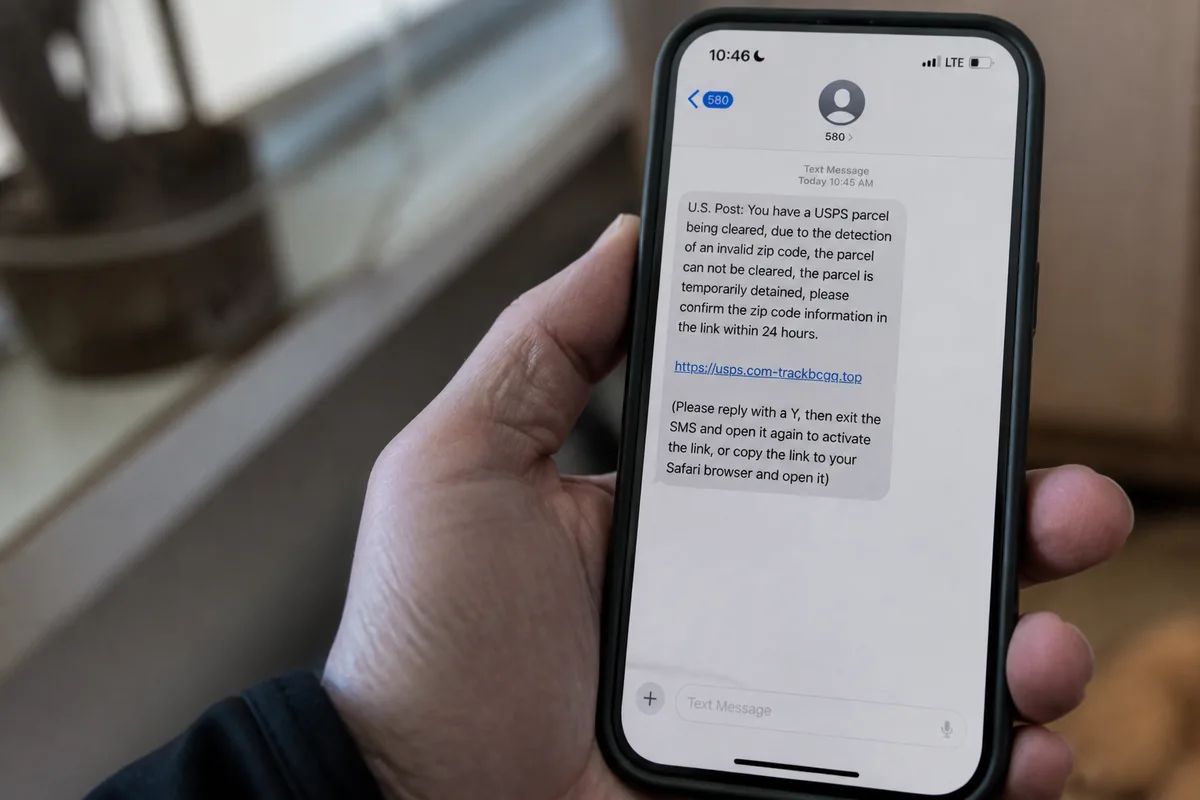
Therefore, stop the exchange when the sender asks for gift cards, cryptocurrency, wire transfers, cash deposits, passwords, bank credentials, Social Security numbers, or one-time verification codes.
- Unexpected links, attachments, or QR codes.
- Threats that an account will close or police will arrive.
- Requests to install remote-access software.
- Misspellings, vague greetings, or an unusual tone from a known contact.
- Pressure to move the conversation to another number or application.
Legitimate organizations may contact customers about real problems. The decisive test is whether you can confirm the claim through an official account, statement, application, or website that you locate independently.
Signals that require immediate caution
Yet a familiar logo, name, or caller ID can be copied. A message that appears to come from a relative should be confirmed through an already trusted contact method.
Do not read a security code aloud.
Do not install software at a caller’s direction. End the contact first, then use a trusted device or official support channel if an account genuinely needs attention.
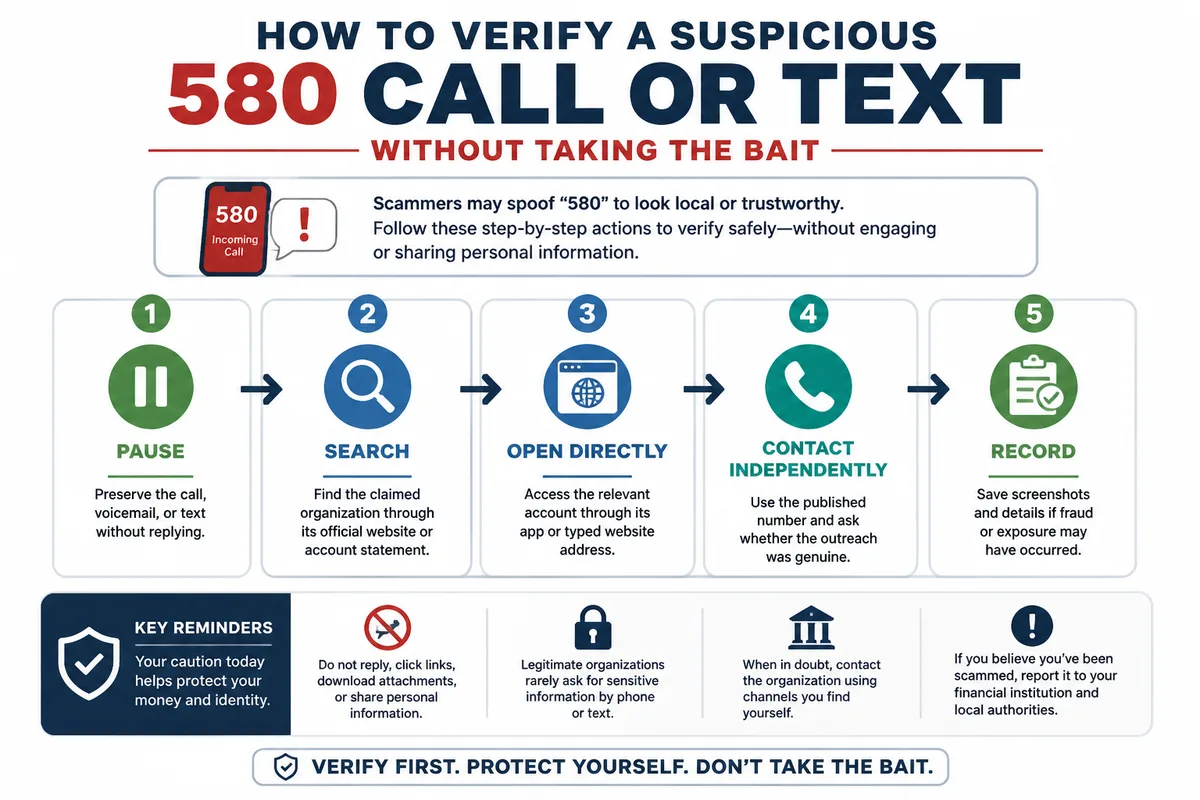
How to Verify a 580 Number Without Taking the Bait
However, safe verification means leaving the contact’s route and starting again from a trusted source. Do not call the displayed number, click its link, or reply to its email address; find the organization independently, open its official application or website yourself, and use the published contact channel.
Let unknown calls go to voicemail. A voicemail can provide a name, department, case reference, or reason for contact, although a voicemail still requires independent confirmation.
Therefore, follow this sequence:
-
Pause the contact
Do not answer follow-up questions, click links, or disclose information.
-
Find the organization
Use an official website, account statement, trusted application, or known directory.
-
Open the account directly
Type the website address yourself or use the organization’s established application.
-
Call the published number
Ask whether the organization initiated the contact and what information it genuinely needs.
-
Preserve evidence
Save the number, message, date, screenshots, and payment instructions if the contact appears fraudulent.
Caller-identification tools and STIR/SHAKEN authentication can add useful signals about how a call entered the network. They do not guarantee that the person speaking is the organization named on screen, especially when a scammer uses compromised accounts, social engineering, or channels outside the authenticated path.
For a separate explanation of number categories, see area codes versus country codes. The distinction matters: 580 is a North American numbering area, not an international country code.
What to Do After a Suspicious 580 Call or Text
And after a suspicious contact, do not call back, reply, click, download, pay, or disclose personal information. Block the visible number, mark the communication as spam in your phone application, and preserve evidence when money, credentials, identity data, or threats are involved.
Therefore, use the action that matches the channel:
- Suspicious call: Let it go to voicemail, then verify any claimed organization independently.
- Suspicious text: Do not reply or open the link; forward it to 7726 where supported by your carrier.
- Possible payment fraud: Contact the bank, card issuer, or payment provider immediately through its official channel.
- Exposed credentials: Change the affected password from a trusted device and review account activity.
- Identity information exposed: Monitor accounts and follow guidance from the relevant financial institution or government service.
Report fraud attempts to the Federal Trade Commission through ReportFraud.ftc.gov. For unwanted calls, texts, or caller-ID spoofing concerns, use the appropriate complaint channel provided by the Federal Communications Commission.
When not to delete the evidence
Yet deletion can remove details that a carrier, bank, consumer-protection agency, or law-enforcement service may need. Keep the message when you opened a link, shared credentials, sent money, received threats, or suspect that an account was accessed.
Save the original message where possible.
Record the date, displayed number, exact wording, payment instructions, linked website, and any transaction reference. Screenshots help, but preserve the original communication too.
For a broader comparison of risky calling patterns, review area codes to check before answering. No fixed list replaces checking the caller’s behavior and request.
How to Reduce Future 580 Spam Calls and Texts
Still, prevention works best as a layered routine rather than a single blocked number. Enable your phone’s available spam filtering, call screening, unknown-sender filtering, and carrier protection, then keep verification habits consistent even when a displayed number looks local.
Therefore, review these controls:
- Use built-in call screening and spam labels on your phone.
- Block repeated numbers individually.
- Consider a reputable third-party filtering application after reviewing its privacy permissions.
- Ask your carrier which spam-protection features are available on your line.
- Avoid posting your primary number publicly when another contact option works.
- Review account recovery information and privacy settings.
The National Do Not Call Registry can help limit lawful telemarketing from companies that follow the rules. The registry is free, does not block calls, and does not stop illegal scam calls or spoofed numbers, according to the Federal Trade Commission.
Why blocking is useful but incomplete
Yet blocking one visible number stops contact from that number only. Spoofing and number rotation can send the same campaign through another displayed identity.
Block repeated nuisance numbers.
Do not block the entire 580 region automatically if you may need calls from Oklahoma residents, providers, schools, or public services. Broad filtering can discard legitimate contacts and still miss spoofed numbers from elsewhere.
Frequently Asked Questions About 580 Area Code Spam
But a 580 number alone cannot answer whether a contact is genuine. The useful questions concern the caller’s request, the route used for verification, and what information may already have been exposed.
Therefore, use these answers as a quick safety check.
Is the 580 area code a scam area code?
No. It is a legitimate Oklahoma area code. Scammers can spoof it, so the displayed code does not validate the caller.
Where is the 580 area code located?
The 580 area code serves parts of Oklahoma. A person retaining a 580 number may live elsewhere, and a caller in Oklahoma may use another area code.
Can scammers spoof a 580 phone number?
Yes. Caller ID spoofing can make a call appear to come from a local 580 number. Treat caller ID as a clue, then verify through an independently found official channel.
Should I call a 580 number back?
No, not when the call was unexpected or suspicious. Let it go to voicemail and find the claimed organization’s published number yourself.
What happens if I answer a spam call, and how do I report a suspicious text?
Simply answering does not usually give a caller access to your phone or account, although speaking can confirm that the number reaches a person. Do not provide information, end the call, and report suspicious texts to 7726 where supported; fraud can be reported to the FTC and unwanted calls or spoofing to the FCC.
The right conclusion is simple: a 580 contact should be judged by its behavior and independently verified identity, not by the Oklahoma area code shown on the screen. Use the official channel before sending money or information, and pause before calling back if the request creates pressure.
Check the displayed number, the message, and the claimed organization before calling; if the contact asks for secrecy, payment, or a security code, stop before calling.